7 Signs Your Pool Needs Resurfacing (Don’t Ignore These)
Your pool’s interior surface doesn’t last forever. Even premium finishes like Pebble Tec eventually wear down under Arizona’s intense sun, chemical exposure, and constant use. The question is: how do you know when it’s time for pool resurfacing?
Here are seven telltale signs that your pool surface is due for attention - and why ignoring them can cost you more in the long run.
1. Rough Texture That Scratches Feet
The most common complaint we hear? “My pool feels like sandpaper!”
A healthy pool surface should feel smooth to the touch. When plaster begins to deteriorate, the cement matrix breaks down, exposing the aggregate underneath. This creates a rough, abrasive texture that can:
- Scratch and cut feet, especially children’s
- Tear swimsuits and pool toys
- Make the pool uncomfortable to use
What it means: Surface erosion has progressed significantly. Resurfacing is needed soon to restore comfort and safety.
2. Persistent Staining That Won’t Clean
Some staining is normal and treatable. But when stains keep coming back no matter how much you scrub or shock the pool, the surface itself may be the problem.
Types of stubborn stains:
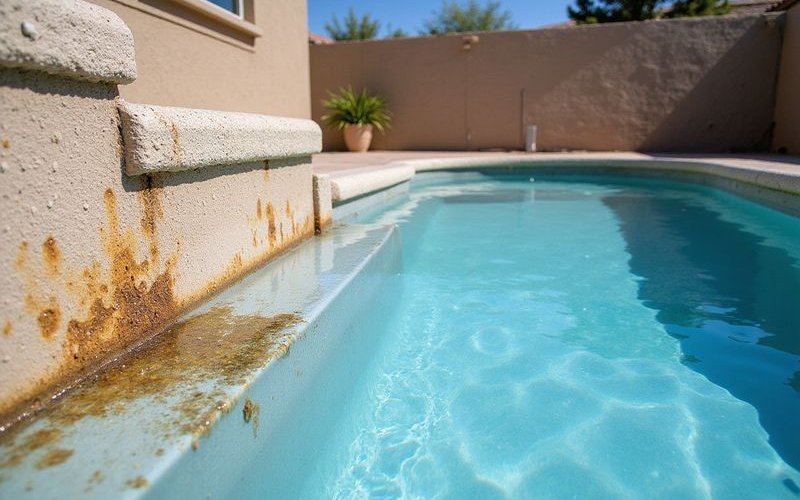
- Rust-colored marks (iron in the water or rebar showing through)
- Black or dark spots (organic material embedding in porous surface)
- Blue/green patches (copper deposits from equipment)
- White chalky residue (calcium nodules)
When the surface becomes too porous, it absorbs stains faster than you can remove them.
3. Visible Cracks in the Surface
Cracks come in two varieties:
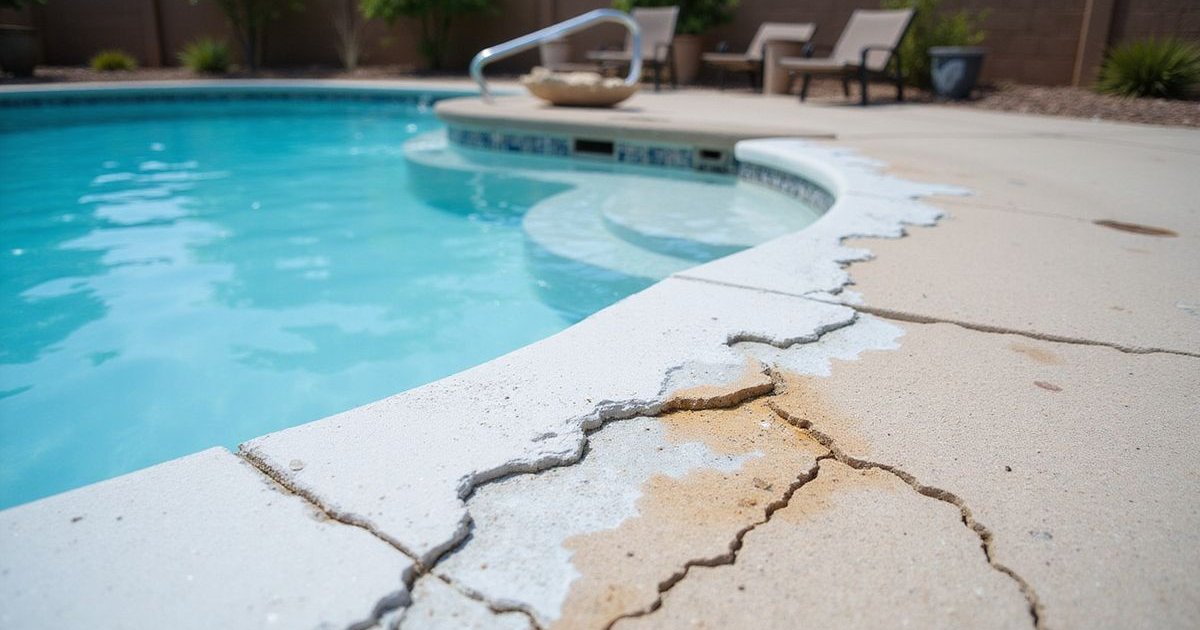
Surface Cracks (Crazing): Fine, spider-web patterns in the top layer. Usually cosmetic but indicate aging.
Structural Cracks: Larger, deeper cracks that extend through the plaster. These can leak and worsen quickly.
Both types deserve professional evaluation. What starts as a minor crack can become a major leak if ignored.
4. Delamination (Peeling or Flaking)
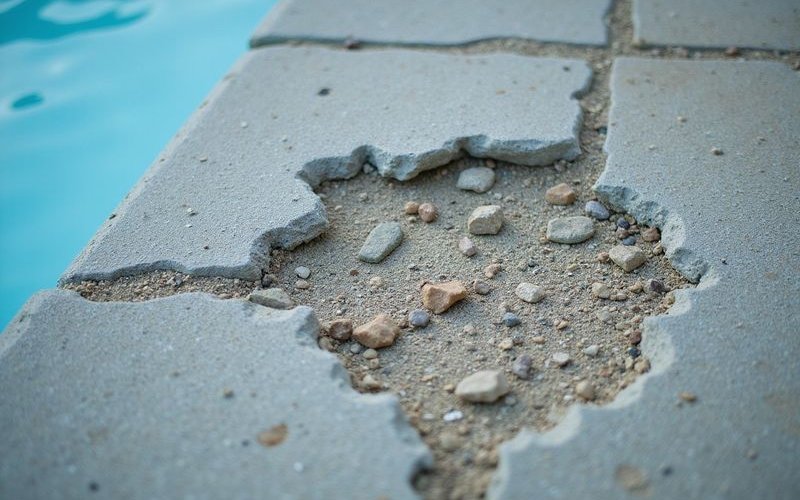
When you see chunks of plaster separating from the pool shell, that’s delamination. It happens when:
- The surface wasn’t properly bonded during original installation
- Chemical imbalance damaged the bond over time
- Freeze-thaw cycles broke the connection
Delamination accelerates once it starts - those loose edges catch water flow and peel further.
5. Your Pool Is Losing Water (The One You Can’t Ignore)
This is the sign that demands immediate attention.
If your pool loses more than 1/4 inch of water per day (beyond normal evaporation), you likely have a leak. While leaks can occur in plumbing, a deteriorated surface is often the culprit.
Why this matters:
- You’re paying for wasted water
- Chemical balance becomes impossible to maintain
- Underground leaks can damage landscaping and foundations
- Pumps run dry, causing expensive failures
Even small leaks add up to thousands of gallons lost annually.
6. Discoloration and Fading
Over time, pool surfaces lose their vibrant color. This is partly UV exposure and partly chemical wear. If your once-blue pool now looks gray or washed out, the pigments in your finish have degraded.
While fading alone isn’t urgent, it often accompanies other signs of aging. A faded surface is usually also weakening.
7. Your Pool Is 10-15+ Years Old
Time catches up with every pool surface:
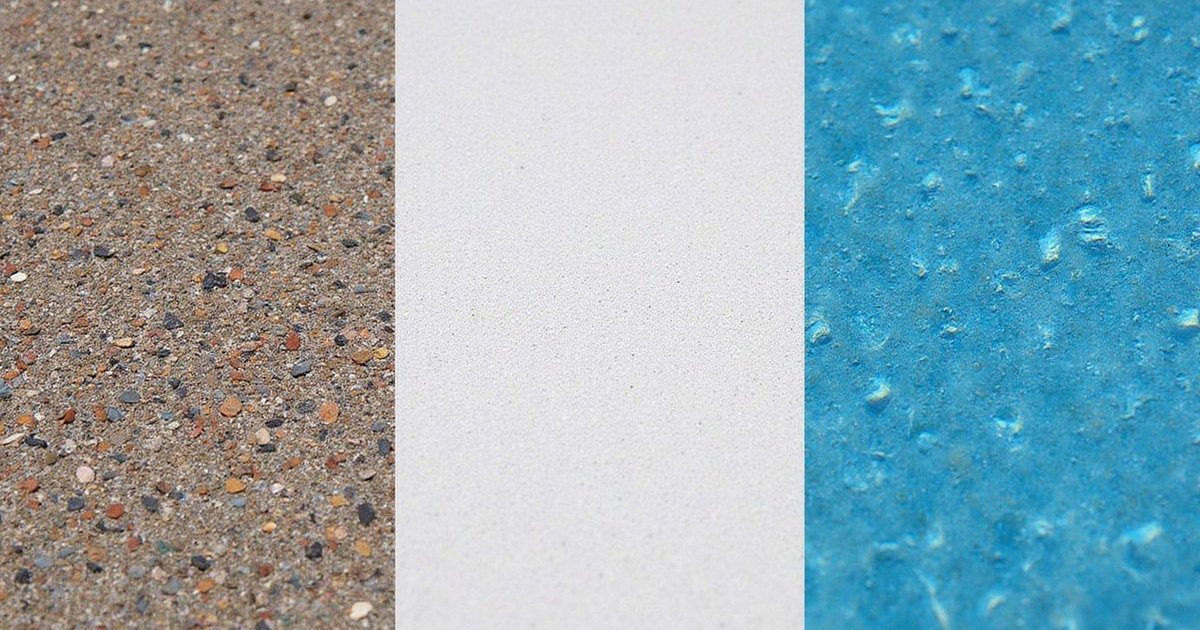
- Standard Plaster: 5-10 years typical lifespan
- Quartz Aggregate: 10-15 years
- Pebble Tec: 15-20+ years
If your pool is approaching these milestones, start planning. Proactive resurfacing is always cheaper than emergency repairs.
What to Do Next
If you’re seeing any of these signs, don’t panic - but don’t delay either. Pool surface problems only get worse with time.
Our recommendation:
- Schedule a professional inspection (we offer free assessments)
- Get honest advice on repair vs. resurface options
- Understand your material choices and budget
- Plan your project for the right season
At David Resurface, we specialize in honest evaluations. If a repair will solve your problem, we’ll tell you. If resurfacing is truly needed, we’ll explain your options and provide transparent pricing.
Ready for an expert opinion? Call (602) 619-1234 or request your free estimate today.
David Resurface was founded with a simple mission: to provide exceptional pool remodeling and resurfacing services that customers can truly rely on. We know that in Phoenix, a pool isn’t just a luxury; it’s a necessary retreat from the heat.
You know that feeling when you step into your pool and, instead of smooth comfort, it feels like you’re walking on broken eggshells? We see it constantly. It is the single clearest indicator that the harsh Arizona sun and chemical wear have finally taken their toll on your plaster.
From what we’ve seen in the field, most homeowners wait until a small texture issue becomes a major structural headache. The key is to catch these warning signs before they turn into a full-blown leak or a safety hazard for your family.
Let’s look at the data, what it’s actually telling us, and then explore a few practical ways to respond to the seven biggest red flags we encounter.
1. Rough Texture That Scratches Feet
The most common complaint we hear isn’t about how the pool looks—it’s about how it feels. “My pool feels like 60-grit sandpaper!” is a phrase our team hears almost weekly during summer consultations.
A healthy pool surface should feel smooth and uniform. When your plaster begins to deteriorate due to “etching,” aggressive water chemistry dissolves the smooth cement paste, leaving only the sharp, rough aggregate exposed. This isn’t just an annoyance; it’s a sign of chemical erosion that creates an abrasive texture capable of:
- Removing skin from toes and feet (often called “pool toe”)
- Snagging and tearing expensive swimsuits
- Creating a breeding ground for algae in the microscopic pits
The Chemistry Behind It: This roughness is often caused by low Calcium Hardness or low pH levels in the water, which forces the water to leach calcium directly from your pool’s surface to balance itself. Once this pitting starts, you cannot sand it smooth; the damage is permanent.
What it means: Surface erosion has progressed significantly. Resurfacing is needed soon to restore comfort and safety.
2. Persistent Staining That Won’t Clean
Some staining is normal, but when stains return immediately after you scrub or shock the pool, the surface porosity is likely to blame. We often see homeowners spending hundreds of dollars on chemicals to fight stains that are actually embedded deep within the plaster itself.
To solve this, you first need to identify the enemy. Here is a quick breakdown of the most common stains we see in Phoenix pools:
- Iron (Rust/Brown): often from rebar oxidation or well water. Pro Tip: If a Vitamin C tablet rubbed on the spot removes it, it’s iron.
- Copper (Blue/Black/Cyan): usually caused by heater corrosion or low pH dissolving copper pipes.
- Organic (Yellow/Brown): typically from leaves or dirt sitting on the bottom. These should bleach out with chlorine.
- Calcium Nodules (White/Grey): these look like little volcanoes and indicate a void beneath the plaster.
Why This Matters: When your pool surface becomes too porous from age, it absorbs these contaminants like a sponge. No amount of scrubbing will fix a surface that has lost its protective density.
3. Visible Cracks in the Surface
Cracks come in two varieties, and knowing the difference can save you thousands of dollars.
Surface Cracks (Check Cracks): These are fine, spider-web patterns usually found in the top layer of plaster. We see these often on steps or benches where the plaster dried too quickly during installation. They are generally cosmetic and don’t leak, but they do indicate aging.
Structural Cracks: These are the ones that keep us up at night. If you can insert a credit card into the crack (roughly 1/8 inch wide) or if the crack runs down the wall and across the floor, you likely have a structural issue.
The Real Danger: A structural crack allows water to rust the steel rebar inside the gunite shell. Once that steel rusts, it expands to four times its original size, blowing out the concrete from the inside.
4. Delamination (Peeling or Flaking)
When you see chunks of plaster separating from the pool shell, that’s delamination. This failure happens when the bond between the gunite (the concrete shell) and the plaster finish breaks.
How to Test for It (The “Sounding” Method): You don’t need to be a pro to check for this. We recommend taking a golf ball or the handle of a screwdriver and gently tapping on the pool floor.
- Solid “Click”: Good, well-bonded plaster.
- Hollow “Thud”: This indicates the plaster has lifted (delaminated) from the shell.
Delamination spreads like a disease. Once a small section lifts, water gets behind it, causing the surrounding areas to pop off (a “pop-out”) and eventually break away entirely.
5. Your Pool Is Losing Water (The One You Can’t Ignore)
This is the sign that demands immediate attention. In our dry climate, evaporation is heavy, but there is a clear limit.
If your pool loses more than 1/4 inch to 1/2 inch of water per day in the height of summer, you likely have a leak. While plumbing is a common culprit, cracks in the surface or around the skimmer are frequent causes.
The Bucket Test: Before calling for a leak detection, perform this simple test:
- Fill a 5-gallon bucket with pool water about 1 inch from the top.
- Place the bucket on the first or second step of the pool (so water temps are the same).
- Mark the water level on the inside of the bucket and the outside of the bucket.
- Wait 24 hours.
The Result: If the pool water (outside mark) dropped more than the bucket water (inside mark), you have a leak, not just evaporation.
Why this matters:
- Soil Damage: Leaking water can wash away the soil supporting your pool deck, leading to cracks in your patio.
- Chemical Cost: You are constantly diluting your expensive stabilizers and salt.
6. Discoloration and Fading
Over time, pool surfaces lose their vibrant color due to UV exposure and chemical bleaching. This is especially common with dark-colored plaster or quartz finishes.
We frequently see “mottling,” which is a blotchy, uneven discoloration that makes the pool look dirty even when it’s clean. While primarily cosmetic, extreme fading is often a sign that the pigment—and the binder holding it—is breaking down.
The “Spot Etching” Factor: If you see white spots or streaks that feel rougher than the surrounding area, that is spot etching. It means aggressive water has attacked specific areas of your finish, leaving them permanently scarred and porous.
7. Your Pool Is 10-15+ Years Old
Time eventually wins every battle against pool materials. Even with perfect maintenance, the materials simply have a shelf life.
Typical Lifespans in Arizona:
| Surface Material | Expected Lifespan | Why It Fails |
|---|---|---|
| Standard Plaster | 5-10 Years | Softest material; susceptible to chemical erosion. |
| Quartz Aggregate | 10-15 Years | Harder than plaster, but eventually loses aggregate. |
| Pebble Tec® / Pebble | 15-20+ Years | Most durable; usually only needs resurfacing for aesthetics or cement wear. |
If your pool is approaching these milestones, start planning now. We always advise clients that proactive resurfacing is cheaper than emergency repairs because it allows you to bundle other upgrades (like tile or lighting) efficiently.
What to Do Next
If you’re seeing any of these signs, don’t panic—but don’t delay either. Surface problems like delamination and structural cracks never get better on their own; they only get more expensive.
Our recommendation:
- Verify the Issue: Use the “Sounding” test for delamination or the “Bucket Test” for leaks.
- Get a Professional Audit: We offer honest assessments that distinguish between a simple patch job and a necessary resurface.
- Check 2026 Pricing: Be aware that material costs have shifted. Standard plaster is currently averaging $4.00 - $7.00 per sq. ft., while durable Pebble finishes are running $7.00 - $10.00+ per sq. ft. in the Phoenix area.
- Plan for Winter: Resurfacing in the cooler months is often faster and better for the curing process of the new material.
At David Resurface, we specialize in honest evaluations. If a repair will solve your problem, we’ll tell you. If resurfacing is truly needed, we’ll explain your options and provide transparent pricing.
Ready for an expert opinion? Call (602) 619-1234 or request your free estimate today.
Tags
David Resurface
Pool resurfacing expert with over 15 years of experience in the Phoenix market. Passionate about helping homeowners transform their backyards into personal oases.