Choosing a pool finish is easily the most critical choice you’ll face during a pool resurfacing project. The material you select determines not just the look of your backyard oasis, but how much time you’ll spend scrubbing stains versus swimming.
We see hundreds of Phoenix pools every year, and the difference between a satisfied homeowner and a frustrated one often comes down to this single decision.
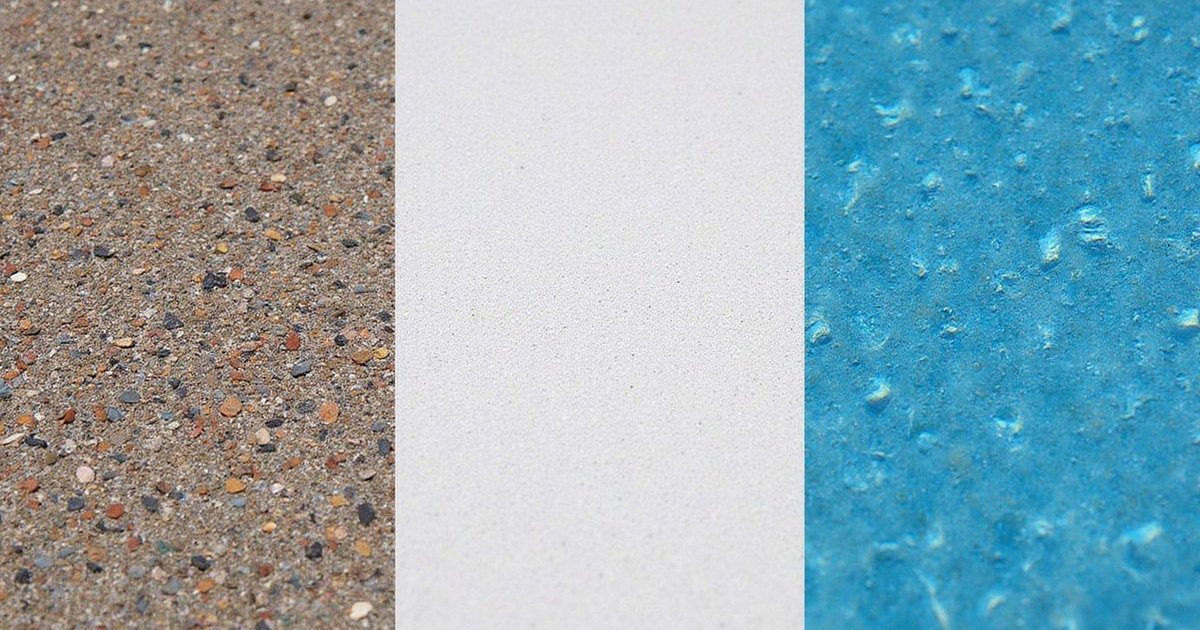
Let’s break down the three most popular pool finishes in the Valley: traditional plaster, quartz aggregate (specifically Diamond Brite), and Pebble Tec.
The Quick Comparison
If you want the bottom line immediately, this table compares the three major contenders based on real-world performance in Arizona conditions.
| Feature | Plaster (Marcite) | Quartz (Diamond Brite) | Pebble Tec (Aggregate) |
|---|---|---|---|
| Phoenix Cost (Avg) | $ | $$ | $$$ |
| Real-World Lifespan | 5-7 years | 10-12 years | 20+ years |
| Texture Feel | Smooth (at first) | Light Texture | Textured / Natural |
| Stain Resistance | Low | Moderate | Excellent |
| Warranty Norms | 2-5 Years | 5-10 Years | Lifetime (Material) |
| Algae Resistance | Low | Medium | High |
Traditional Pool Plaster
Plaster, often called white coat or marcite, has been the industry standard since the 1960s. It is a simple mixture of white Portland cement, marble dust, and water.
While it creates that classic “swimming pool blue” look, it is chemically the weakest option against our local water.
Pros:
- Lowest Initial Investment: It typically costs 30-40% less than pebble finishes.
- Smooth Texture: Nothing beats fresh plaster for protecting sensitive feet and swimsuits.
- Classic Aesthetic: It provides the bright, clean turquoise water color found in vintage photos.
- Simple Repairs: We can patch small delaminations easily compared to matching aggregate.
Cons:
- Short Lifespan in AZ: Our hard water eats through plaster rapidly, often requiring resurfacing in just 5-7 years.
- High Reactivity: It is very sensitive to pH shifts and can develop rough “calcium nodules.”
- Mottling: The finish will naturally streak and shade gray over time (this is known as mottling).
- Strict Startup: You must brush the pool twice daily for 28 days to prevent staining.
The “Hidden” Cost of Plaster
You might save money upfront, but the chemistry tells a different story. Because plaster is porous, it absorbs chemicals and stains easily.
We often warn clients that maintaining proper water chemistry in a plaster pool requires more acid and frequent testing to prevent scale buildup. If you miss a week of maintenance during a Phoenix summer, plaster is the first surface to show permanent damage.
Best for: Sellers looking to list a home soon, or budget-conscious homeowners who accept that a resurface will be needed again within the decade.
Quartz Aggregate (Diamond Brite)
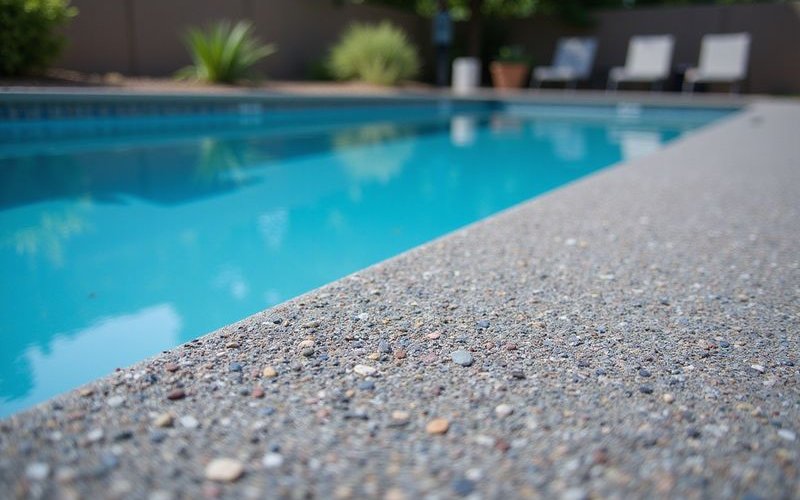
Quartz finishes are essentially “plaster plus.” Manufacturers like SGM (the makers of Diamond Brite) or NPT (QuartzScapes) replace the soft marble dust with ceramic-coated quartz crystals.
This simple swap changes the hardness of the surface significantly. On the Mohs Hardness Scale, standard plaster calcite ranks a 3, while quartz ranks a 7.
Pros:
- Increased Durability: The quartz creates a harder shell that resists etching better than standard marcite.
- Subtle Shimmer: The crystals catch the sunlight, giving the water a sparkle that flat plaster lacks.
- Color Consistency: Unlike plaster which streaks, quartz holds its dye color much better over time.
- Smooth-ish Feel: It bridges the gap between the roughness of pebble and the smoothness of plaster.
Cons:
- Price Jump: Expect to pay 20-30% more than standard white plaster.
- Scale Visibility: In high-calcium water, white scale deposits can dull the colored crystals.
- Installation Sensitivity: If the applicator exposes the aggregate unevenly, you can get “splotchy” patches.
- Rougher Than Plaster: It is not perfectly smooth like a bathtub; there is a fine grit texture.
Insider Tip: The “Check Cracking” Advantage
Quartz finishes are excellent at hiding “check cracks.” These are tiny, spiderweb-like surface fissures that happen when a pool dries out in the Arizona heat.
Because the quartz aggregate breaks up the visual field, these cosmetic imperfections are nearly invisible compared to a white plaster pool where every hairline crack stands out.
Best for: Families who want a premium look and better durability than plaster but aren’t ready to pay the premium price for Pebble Tec.
Pebble Tec and Pebble Sheen
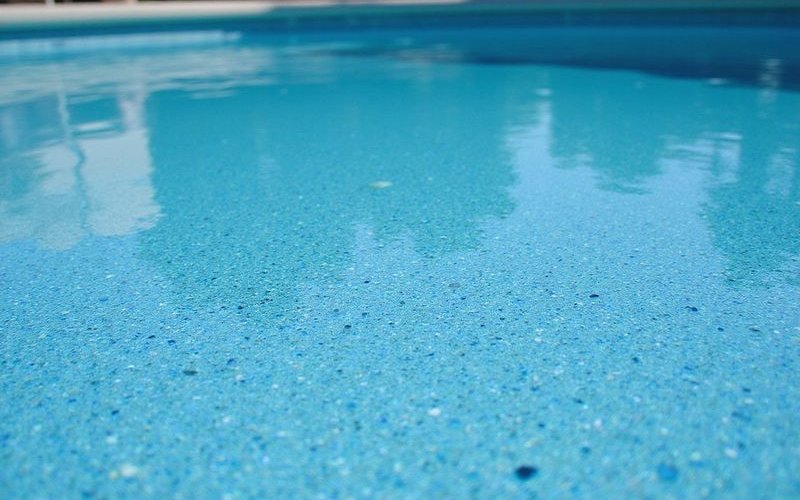
When we talk about “Pebble Tec,” we are referring to the brand that revolutionized the industry, though the term is often used to describe any exposed aggregate finish.
This finish consists of small river pebbles embedded in cement. The cement is then washed away to reveal the stone surface.
Pros:
- Unmatched Longevity: A properly maintained pebble pool can easily last 20 to 25 years without resurfacing.
- Stain Proof: The stones are natural rock; they do not absorb stains, algae, or chemicals.
- Visual Depth: It creates a natural, lagoon-like water color that darker plaster cannot mimic.
- Low Maintenance: It is much more forgiving of chemical imbalances than plaster or quartz.
Cons:
- Texture Complaints: Original Pebble Tec consists of larger stones that can feel rough on tender feet.
- Highest Cost: This is the premium option, often costing double the price of basic plaster.
- Algae Hiding Places: While the surface resists algae, the nooks between stones can harbor it if circulation is poor.
- Scale Buildup: Calcium deposits can form “bath rings” on the pebble at the waterline.
Choosing the Right Texture: Tec vs. Sheen
Many homeowners worry that pebble pools will scrape their feet. This was true of early generations, but options have evolved.
We strongly suggest looking at “Pebble Sheen” or NPT “StoneScapes Mini Pebble” if you have children. These versions use tiny, microsized pebbles that offer the durability of stone but with a much smoother, flatter profile. It effectively eliminates the “rough bottom” complaint while keeping the warranty intact.
Best for: Homeowners planning to stay in their home for 10+ years who want the lowest possible long-term maintenance.
Appearance Differences
The finish you choose dictates the water color, which is caused by the refraction of light off the surface material.
Plaster is the only way to get that Windex-blue, “classic hotel pool” look. White plaster reflects the blue sky directly. However, it can look stark or institutional in a lush backyard.
Quartz adds dimension. A “Super Blue” Diamond Brite finish will give you a deep, rich ocean blue that changes intensity throughout the day. The quartz specks glitter in the sunlight, masking minor dust and debris on the floor.
Pebble Tec mimics nature. The variegated colors of the stones (golds, tans, blacks, and greys) create a darker, more reflective surface. A “Tahoe Blue” or “French Gray” pebble finish makes the pool look like a mountain lake or a deep lagoon, which is currently the most popular aesthetic in high-end Phoenix landscape design.
Arizona-Specific Considerations
The desert environment is brutal on construction materials. Phoenix has specific challenges that should weigh heavily on your decision.
The Calcium Factor
Our tap water is incredibly hard, often coming out of the hose with 200-400 ppm of Calcium Hardness.
As water evaporates, that calcium stays behind. Plaster is porous and calcium-based, so it attracts these deposits like a magnet, creating rough, sandpaper-like patches. Pebble surfaces are non-porous stone, meaning calcium has a harder time bonding to the surface, making it easier to brush off.
The Heat and UV Index
Surface temperatures in a drained pool can hit 140°F in July.
Standard plaster can degrade and chalk rapidly under UV bombardment. The pigment in quartz and the natural stone in Pebble Tec are UV-stable. They will not fade, bleach, or chalk even after years of relentless Arizona sun.
Thermal Shock
Our winter nights can drop near freezing, while days remain warm.
These temperature swings cause expansion and contraction. Pebble finishes have a higher tensile strength and flexibility than rigid plaster, making them less likely to develop structural cracks during our shifting seasons.
Cost Analysis for Phoenix
Pricing fluctuates based on labor rates and the cost of raw materials, but we can provide a realistic framework for a standard 15,000-gallon play pool (approx. 85-95 perimeter feet).
Plaster: Estimated $5,000 - $7,000
- Lower upfront cost.
- Likely needs resurfacing in year 7.
- 20-year outlook: Expensive (Requires 2-3 resurfacing jobs).
Quartz: Estimated $6,500 - $9,000
- Moderate upfront investment.
- Likely needs resurfacing in year 12-15.
- 20-year outlook: Moderate (Requires 1-2 resurfacing jobs).
Pebble Tec: Estimated $9,000 - $13,000+
- Highest initial investment.
- Likely lasts 20+ years.
- 20-year outlook: Lowest (One-time cost).
Our Recommendation
For the vast majority of our Phoenix clients, the math points to one winner.
We recommend quartz aggregate or a mini-pebble finish for the best balance of value and performance.
- The Smart Buy: If you plan to sell within 5 years, get a high-quality Quartz. It looks premium but costs less.
- The “Forever Home” Choice: If you are staying put, Pebble Tec (specifically the smoother Sheen or Mini varieties) pays for itself by eliminating a future construction project.
- The Only Reason for Plaster: Only choose standard marcite if you are flipping the house immediately or strictly prefer the texture of smooth cement over everything else.
Every pool is unique, and sometimes the condition of your underlying concrete shell dictates the best choice. We can inspect your current surface and give you an honest assessment of what will bond best.
Ready to explore your options? Call (602) 619-1234 for a free consultation.
Tags
David Resurface
Pool resurfacing expert with over 15 years of experience in the Phoenix market. Passionate about helping homeowners transform their backyards into personal oases.