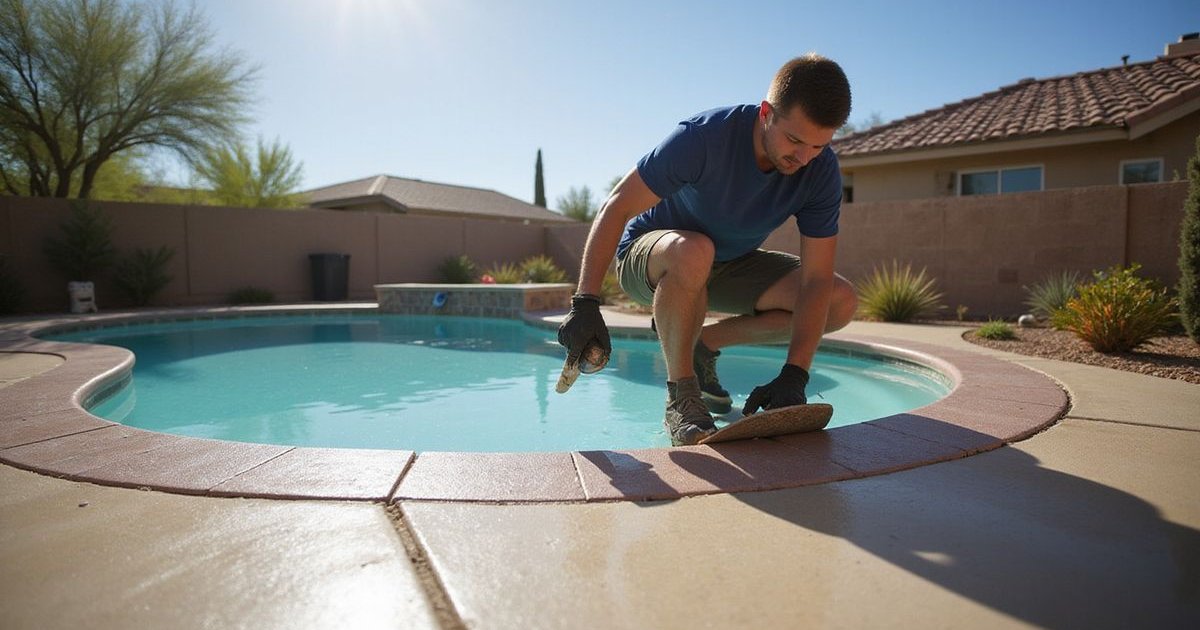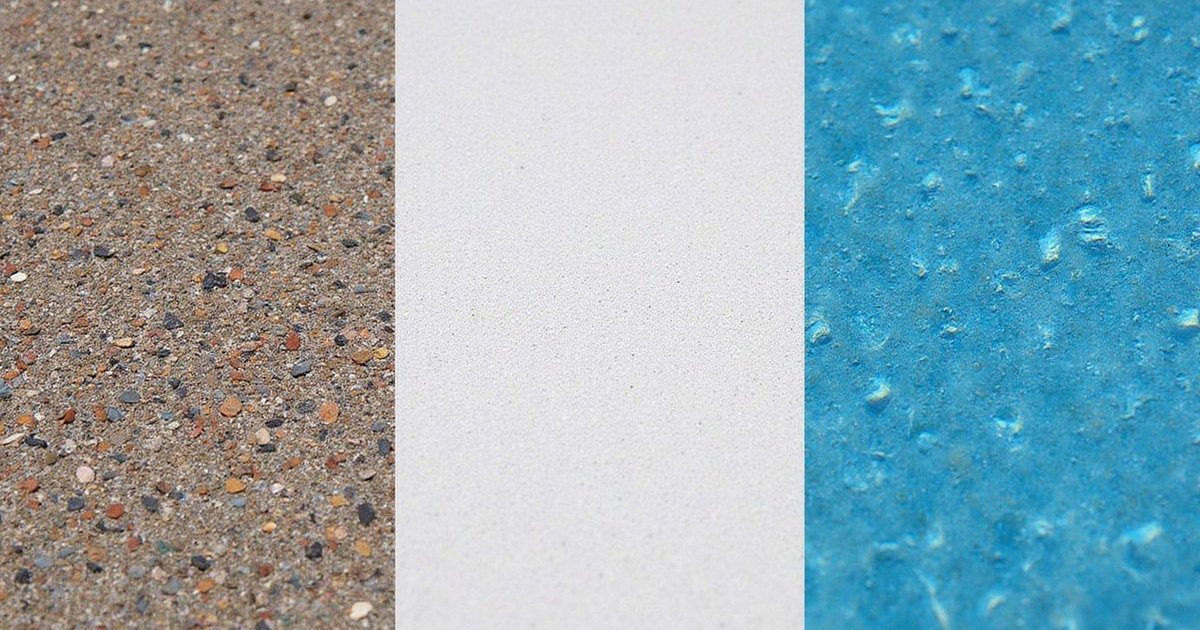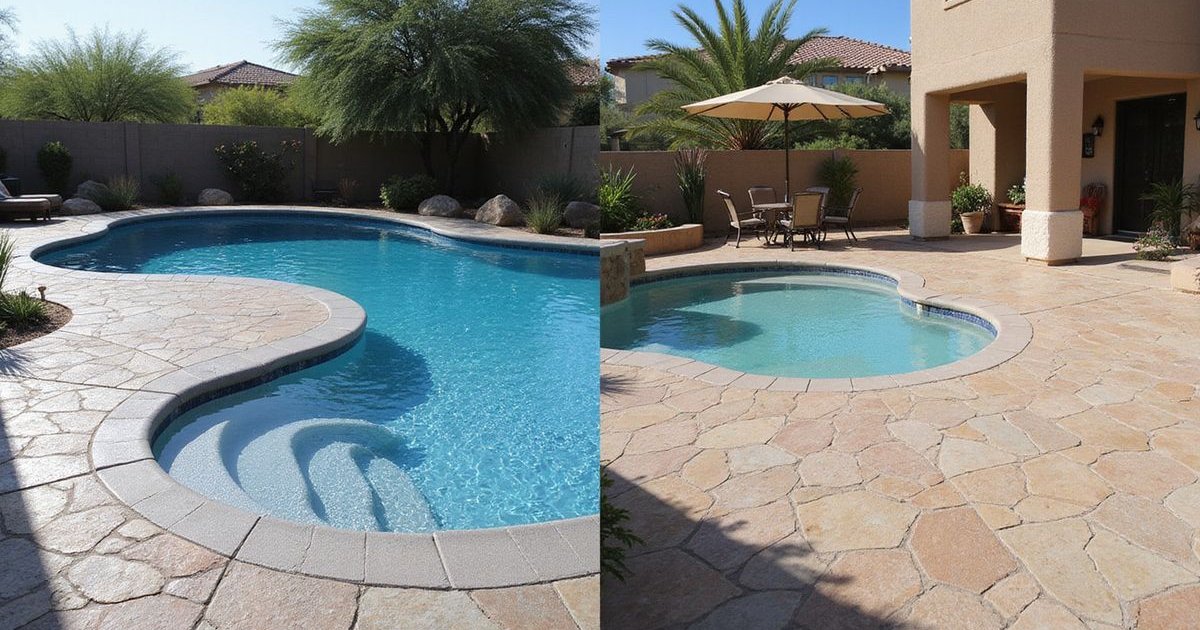
When Arizona summer hits, your pool deck becomes either a comfortable gathering space or a barefoot obstacle course. The cool deck material you choose makes all the difference.
You know that frantic “hot-foot” dance people do when running from the patio to the pool in July? That specific struggle is usually what drives the final decision for Phoenix homeowners. While we all love the look of a glossy magazine cover, the real test of a pool deck in the Valley is whether you can walk on it at 2 PM without searing your soles.
David Resurface was founded with a simple mission: to provide exceptional pool remodeling and resurfacing services that customers can truly rely on. We have seen thousands of decks, and the data tells a clear story. The choice between Cool Deck, pavers, and travertine isn’t just about budget; it is about how you actually plan to use your backyard during those triple-digit days.
Let’s look at the hard numbers on temperature, the real costs for 2026, and the maintenance realities most contractors forget to mention.
The Heat Factor: Temperature Comparison
We tested surface temperatures on a typical 108°F Phoenix afternoon to see how these materials actually perform. The results below highlight why material density and color matter so much.
| Material | Surface Temp (at 108°F Air Temp) | Barefoot Comfort Level |
|---|---|---|
| Travertine (Light/Ivory) | 108-112°F | Comfortable |
| Acrylic Lace (Cool Deck) | 122-128°F | Warm but Tolerable |
| Concrete Pavers (Tan) | 135-142°F | Hot (Sandals Needed) |
| Grey Concrete | 150°F+ | Painful/Dangerous |
Winner for heat: Travertine, followed closely by Cool Deck.
Travertine wins because of its porous nature. The tiny holes in the natural stone allow air to circulate within the material, keeping the surface temperature much closer to the ambient air temperature. Cool Deck relies on its light color and textured surface to reflect solar radiation, which is effective but slightly less efficient than the natural stone’s thermal properties.
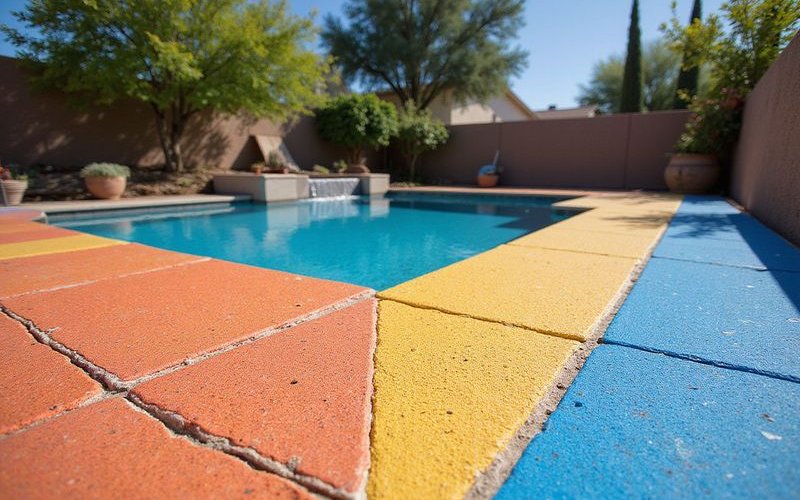
Cool Deck Coatings (Acrylic Lace)
“Cool Deck” is often used as a catch-all term, but the modern standard is actually Acrylic Lace. This is a specialized cementitious coating sprayed over existing concrete and then “knocked down” to create a textured, slip-resistant surface.
Pros:
- Cost-Effective: This is the most affordable way to refresh a deck.
- Temperature Control: It stays significantly cooler than plain concrete (about 20°F cooler).
- Versatility: We can apply this over your existing concrete slab without demolition.
- Speed: Most projects are finished in 2-3 days.
Cons:
- Maintenance Heavy: Needs resealing every 3-5 years to prevent staining.
- Crack Reflection: If your underlying concrete cracks, the coating will crack too.
- Wear Patterns: High-traffic areas near the pool ladder can wear smooth over time.
Insider Tip: Before you coat, ask your installer about using a urethane sealant like Sika 1A on any existing cracks. Many contractors just patch over cracks with rigid cement, which re-cracks within months. A flexible urethane sealant allows the concrete to move slightly without breaking the new topcoat.
Cost: $4-$8 per square foot installed.
Best for: Homeowners with an existing concrete deck who want a functional, budget-friendly upgrade without a total demolition.
Concrete Pavers
Interlocking concrete pavers are a staple in Arizona landscaping, known for their durability and the “Old World” aesthetic they bring to a backyard. Brands like Belgard are commonly used in the Phoenix area for their consistent quality.
Pros:
- No Cracking: Because they are individual units, pavers flex with the ground’s movement instead of cracking.
- Easy Repairs: If a paver gets stained or chipped, you can pull it out and replace just that one brick.
- Design Freedom: Hundreds of colors, shapes, and laying patterns are available.
- Long Lifespan: Expect 25+ years of service life.
Cons:
- Heat Retention: They are dense and often darker, making them hotter than travertine or Cool Deck.
- Base Settling: If the sand base isn’t compacted perfectly, the deck can become uneven over time.
- Weeds and Ants: The joints between pavers can become a breeding ground for pests if not sealed.
Insider Tip: Insist on polymeric sand for the joints. This special sand hardens when wet, acting like a flexible grout that locks the pavers in place and blocks weeds and ants. Standard sand will wash away in the first monsoon storm.
Cost: $12-$20 per square foot installed.
Best for: Homeowners who prioritize durability and design over barefoot temperature, or those with ample shade coverage over the deck.
Travertine Stone
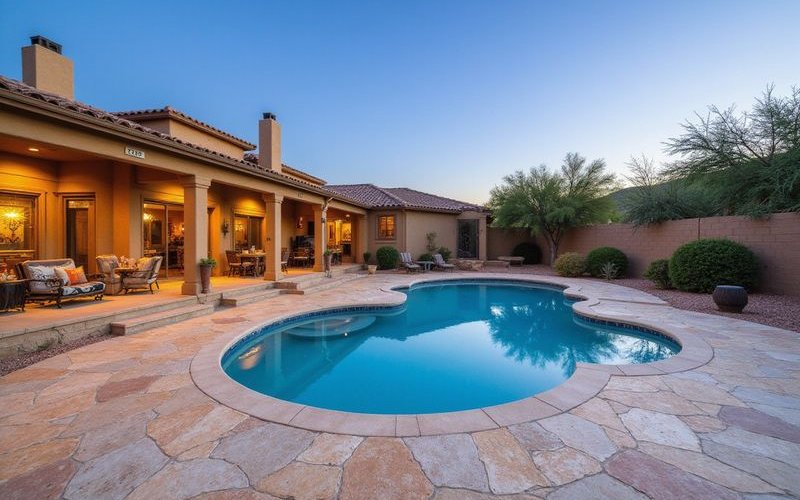
Natural travertine is the gold standard for luxury pool decks in Scottsdale and Paradise Valley. It is a form of limestone deposited by mineral springs, giving it a unique, porous structure.
Pros:
- Unmatched Cooling: It is physically the coolest material to walk on in direct sunlight.
- Luxury Appeal: Nothing mimics the look of genuine natural stone.
- Slip Resistance: Tumbled travertine creates a natural non-slip texture perfect for wet feet.
- Resale Value: This material is a major selling point for Phoenix home buyers.
Cons:
- Higher Upfront Cost: It requires a skilled installation team and a proper concrete or compacted base.
- Natural Variation: Being a natural stone, colors can vary from pallet to pallet.
- Etching: Acidic spills (like margarita mix or cola) can etch the surface if not washed off.
Insider Tip: Pay attention to the “grade” of travertine. We recommend Premium Select grade for pool decks. Standard or Commercial grades often have large natural holes that are filled with epoxy, which can pop out in the Arizona heat over time. Premium Select has fewer holes and a denser structure.
Cost: $18-$35+ per square foot installed.
Best for: Families who want the ultimate barefoot comfort and a resort-style look that adds permanent value to the home.
Durability & Value Comparison
Making the right choice involves looking past the installation day. Here is how these materials hold up over time in the desert climate.
| Feature | Cool Deck (Acrylic) | Concrete Pavers | Travertine |
|---|---|---|---|
| Lifespan | 10-15 Years | 25+ Years | 50+ Years (Lifetime) |
| Crack Resistance | Low (Mirrors concrete) | High (Flexible system) | High (Individual units) |
| Fade Resistance | Low (Needs repainting) | Medium (Dyes fade) | High (Natural color) |
| ROI / Value | Maintenance | Moderate Increase | High Increase |
Cool Deck: This is a maintenance item. You are essentially buying a 10-year surface that will need regular care to look good.
Pavers: These offer a “set it and forget it” structure, but the color may fade slightly under the UV index of 10+.
Travertine: This is an investment asset. The stone does not fade, and it can be refinished indefinitely.
Maintenance Requirements
Cool Deck:
- Reseal every 3-5 years to protect the texture.
- Clean bird droppings immediately, as they can burn through the acrylic.
- Avoid using high-pressure power washers closer than 12 inches to the surface.
Pavers:
- Top off joint sand every 1-2 years if you aren’t using polymeric sand.
- Apply a sealer every 3 years if you want to keep the “wet look” color intensity.
- Spot treat for weeds immediately if they appear in the joints.
Travertine:
- Seal with a penetrating sealer like Dupont StoneTech BulletProof every 3-5 years.
- Hose off the deck weekly to prevent dirt from settling into the pores.
- Avoid harsh chemical cleaners; simple soap and water is best for natural stone.
Making Your Decision
Choose Cool Deck if:
- Your budget is tight and you need a clean, fresh look immediately.
- You have a solid concrete deck that just needs a facelift.
- You want a surface that is cooler than grey concrete but cheaper than stone.
Choose Pavers if:
- You love the geometric, patterned look of driveways and patios.
- You have cracking soil conditions that would break a continuous concrete slab.
- You have shade sails or umbrellas that mitigate the heat absorption.
Choose Travertine if:
- You have children or pets who will be on the deck in the middle of the day.
- You are renovating for the long term and want to maximize property value.
- You want a surface that never feels dangerously hot.
Can You Combine Options?
Absolutely. A smart way to balance the budget is to mix materials.
We often install Travertine Coping (the edge around the pool) and a 3-foot travertine border for the main walking path. Then, we transition to Pavers or Cool Deck for the lounging areas further back where people usually wear sandals or sit on furniture. This gives you the premium cooling effect where you walk barefoot and cost savings on the rest of the square footage.
Need help choosing? We will assess your deck, discuss your priorities, and recommend the best option for your situation. Call (602) 619-1234 for a free consultation.
Tags
David Resurface
Pool resurfacing expert with over 15 years of experience in the Phoenix market. Passionate about helping homeowners transform their backyards into personal oases.